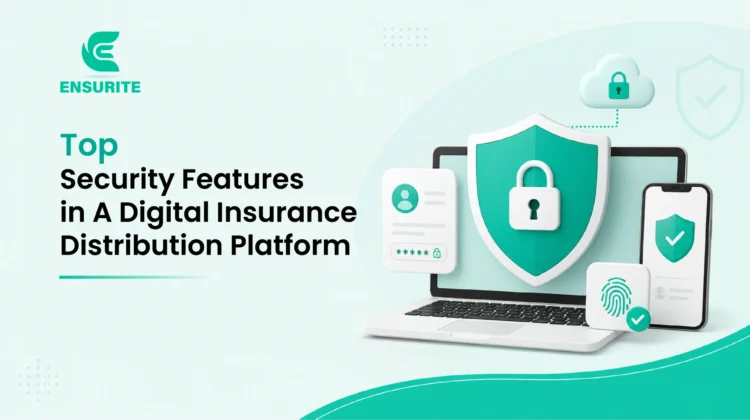
Top Security Features in A Digital Insurance Distribution Platform
The insurance sector is rapidly transitioning to digital channels, leveraging advanced insurance distribution platforms to streamline operations and enhance customer engagement. However, with this digital shift comes heightened security concerns that cannot be overlooked.
Insurers face a myriad of risks, from ransomware and phishing attacks to API vulnerabilities and identity theft. As a result, security can no longer be a peripheral consideration; it must be an integral component of every insurance distribution platform’s architecture.
Modern insurance technology solutions are now being developed with a security-first mindset, integrating intelligent automation with advanced protective measures to ensure customer data is safeguarded without compromising user experience. Features such as end-to-end encryption, multi-factor authentication, and continuous monitoring should be standard.
In this discussion, we will delve into the critical security features that every digital insurance platform must encompass to ensure long-term business resilience and success.
Why Security Matters More Than Ever In Digital Insurance Distribution?
Insurance companies manage some of the most valuable personal and financial information. Unlike many other industries, insurers collect data throughout the customer lifecycle from onboarding and policy issuance to renewals and claims processing.
This continuous flow of information creates multiple entry points for cyber threats.
Today’s insurers rely on interconnected systems, third-party APIs, cloud infrastructure, payment gateways, and digital communication channels. While these technologies improve operational efficiency, they also increase the attack surface if not properly secured.
A successful cyberattack can result in:
- Customer data breaches
- Financial fraud
- Regulatory penalties
- Operational downtime
- Identity theft
- Reputational damage
- Loss of customer confidence
This is why cybersecurity insurance has become a boardroom priority rather than just an IT concern. Organizations embracing security-first insurance principles can proactively reduce risks while delivering secure digital experiences that customers trust.
10 Top Security Features Every Digital Insurance Distribution Platform Should Have
1. Multi-Factor Authentication (MFA)
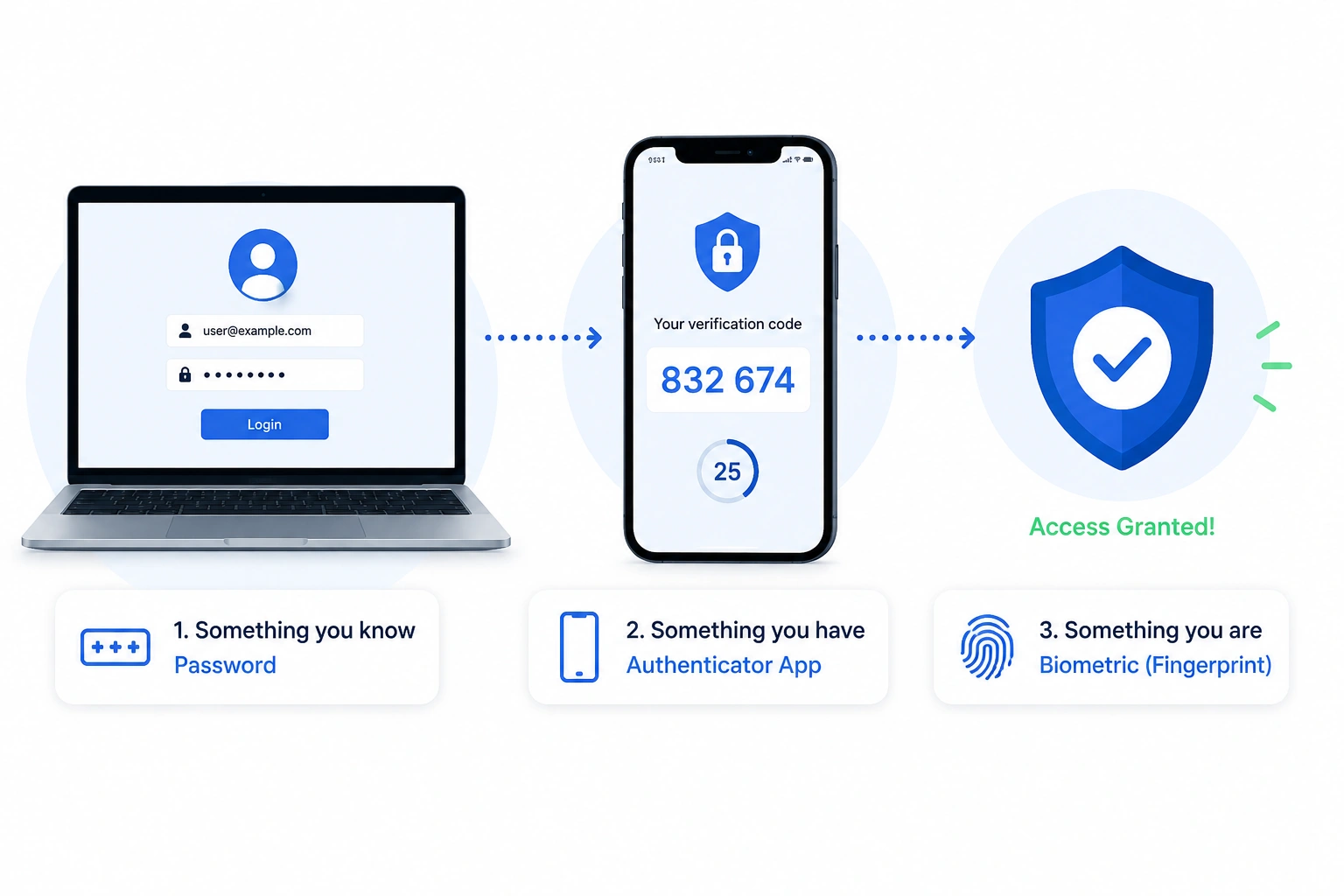
Passwords alone are no longer enough. Weak passwords, credential stuffing, and phishing attacks remain among the leading causes of unauthorized system access. Multi-Factor Authentication (MFA) adds a verification layer before users can access sensitive systems.
Modern platforms typically combine:
- Passwords
- OTP verification
- Authentication apps
- Biometric verification
- Hardware security keys
Even if login credentials are compromised, attackers cannot gain access without completing the second verification step. For insurance agents, administrators, customers, and business partners, MFA significantly reduces unauthorized access while maintaining a smooth login experience.
2. End-to-End Data Encryption
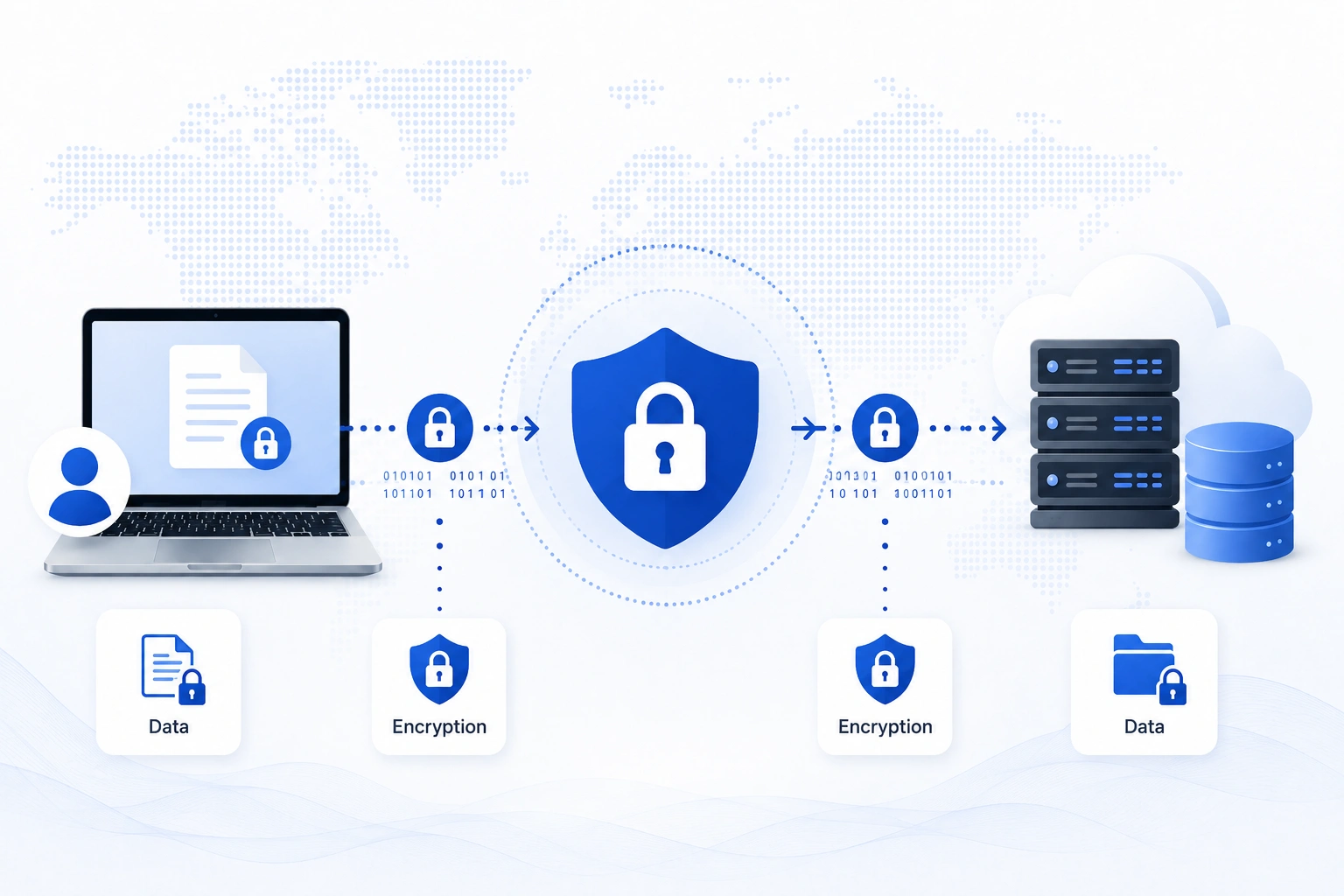
Insurance platforms constantly exchange confidential information between customers, insurers, brokers, payment gateways, and external partners.
Without encryption, intercepted data can be exposed during transmission or storage.
A secure digital insurance distribution platform should encrypt:
- Customer identity documents
- Medical records
- Financial information
- Payment details
- Policy documents
- Internal communications
Encryption ensures that even if data is intercepted, it remains unreadable without the appropriate decryption keys. This feature is especially critical for organizations dealing in health and life insurance policies where customer data is highly sensitive.
3. Role-Based Access Control (RBAC)
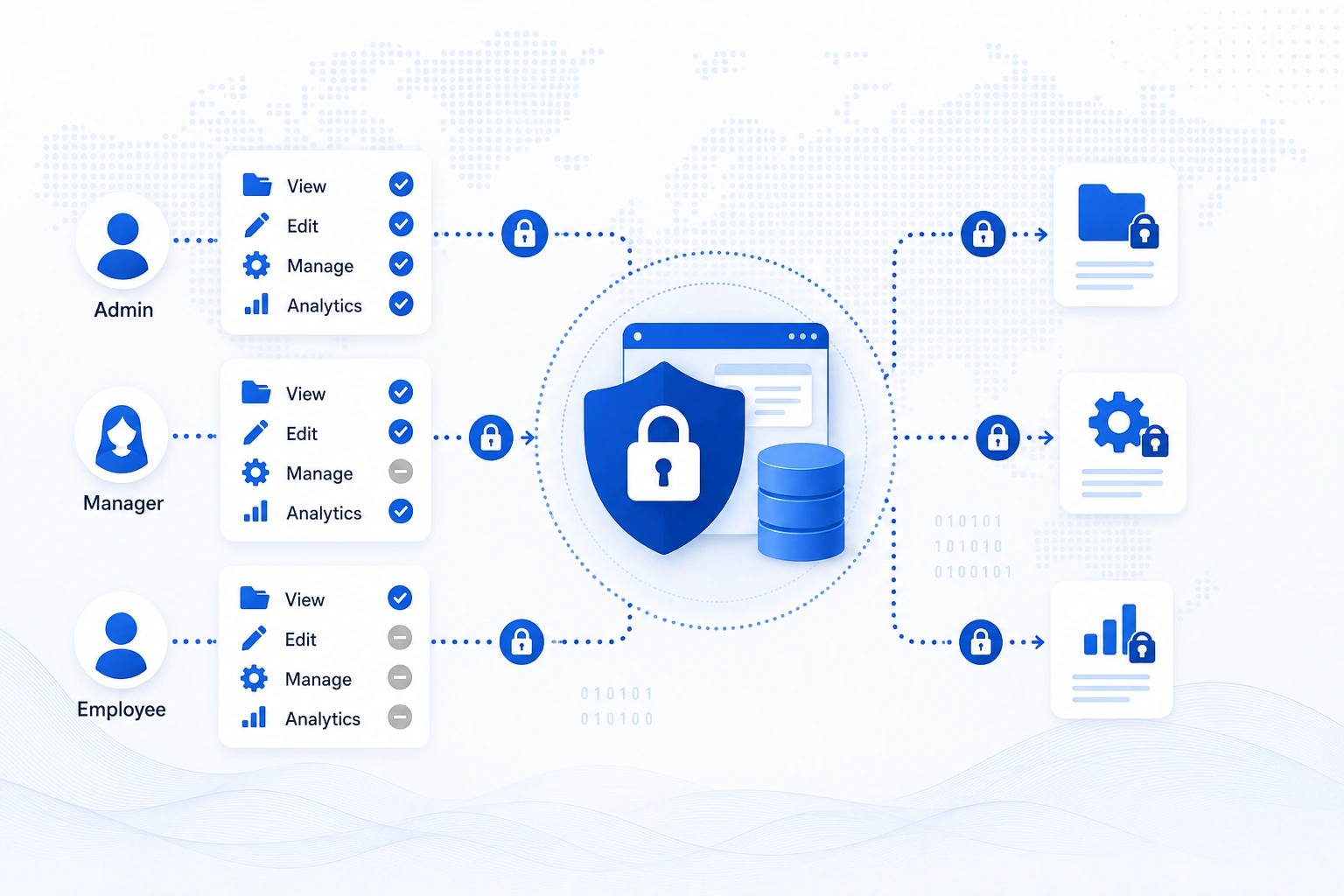
Not every employee requires access to every piece of information.
One of the biggest internal security risks comes from excessive user permissions.
Role-Based Access Control ensures users can access information relevant to their responsibilities.
For example:
- Sales agents view customer policies
- Claims officers access claim documentation
- Finance teams manage payment records
- Administrators configure platform settings
- Branch managers monitor regional performance
Restricting unnecessary access minimizes insider threats, reduces accidental data exposure, and strengthens regulatory compliance. Many leading insurance technology solutions now integrate RBAC with centralized identity management for easier administration across distributed teams.
4. Secure API Management
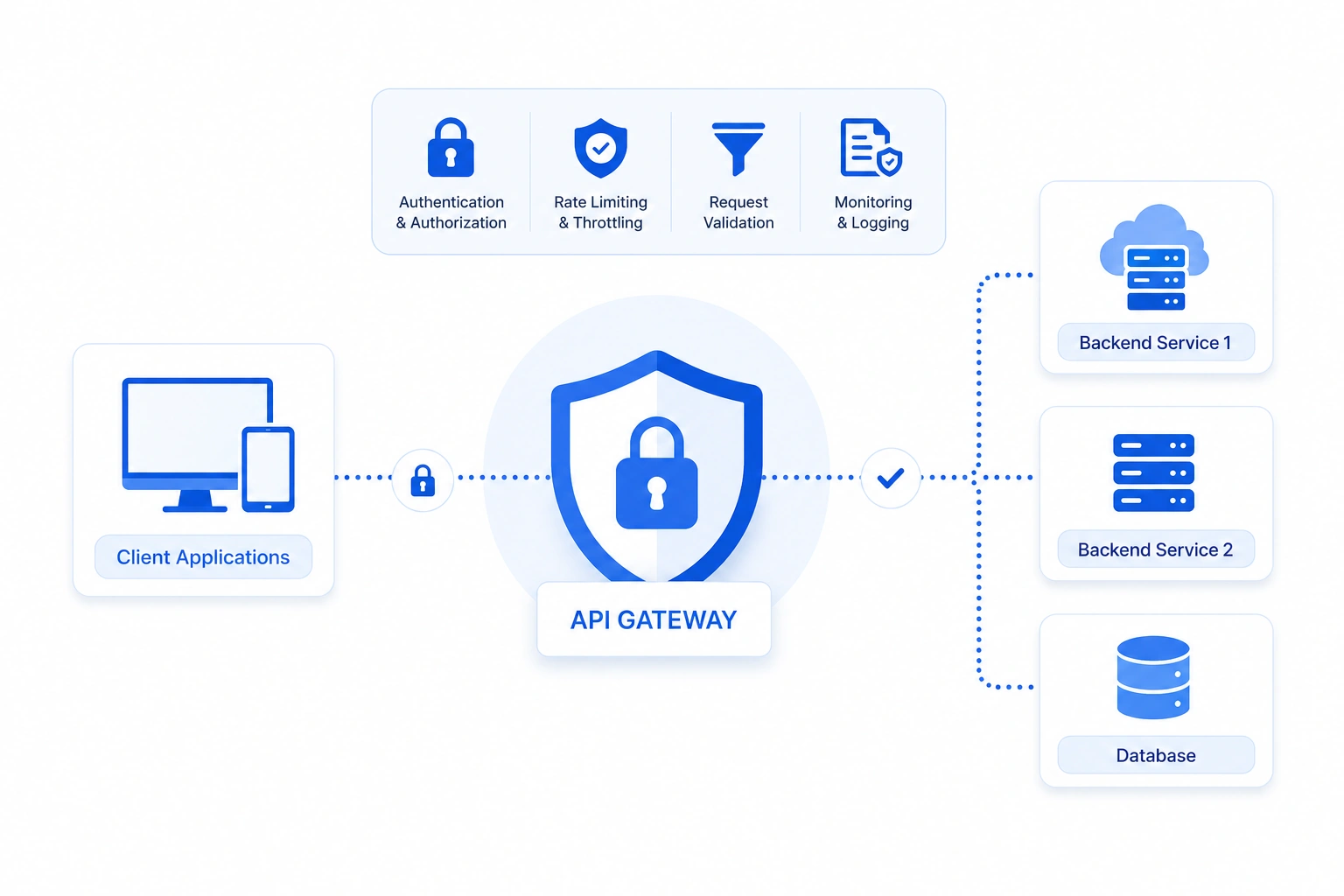
Protects, monitors, and controls API access to ensure secure, reliable, and compliant communication between applications. Today’s insurance ecosystem depends heavily on APIs.
Digital platforms connect with:
- Payment gateways
- KYC providers
- Government databases
- CRM systems
- Underwriting engines
- Analytics platforms
- Partner insurers
Each API introduces potential vulnerabilities if not properly secured.
A secure platform should include:
- API authentication
- Token-based authorization
- Rate limiting
- Traffic monitoring
- Threat detection
- API encryption
- Version management
Proper API governance prevents unauthorized access while ensuring secure communication across integrated systems. As insurers expand their digital ecosystem, secure APIs become the most critical components of digital insurance solutions.
5. Continuous Threat Monitoring And AI-Based Detection
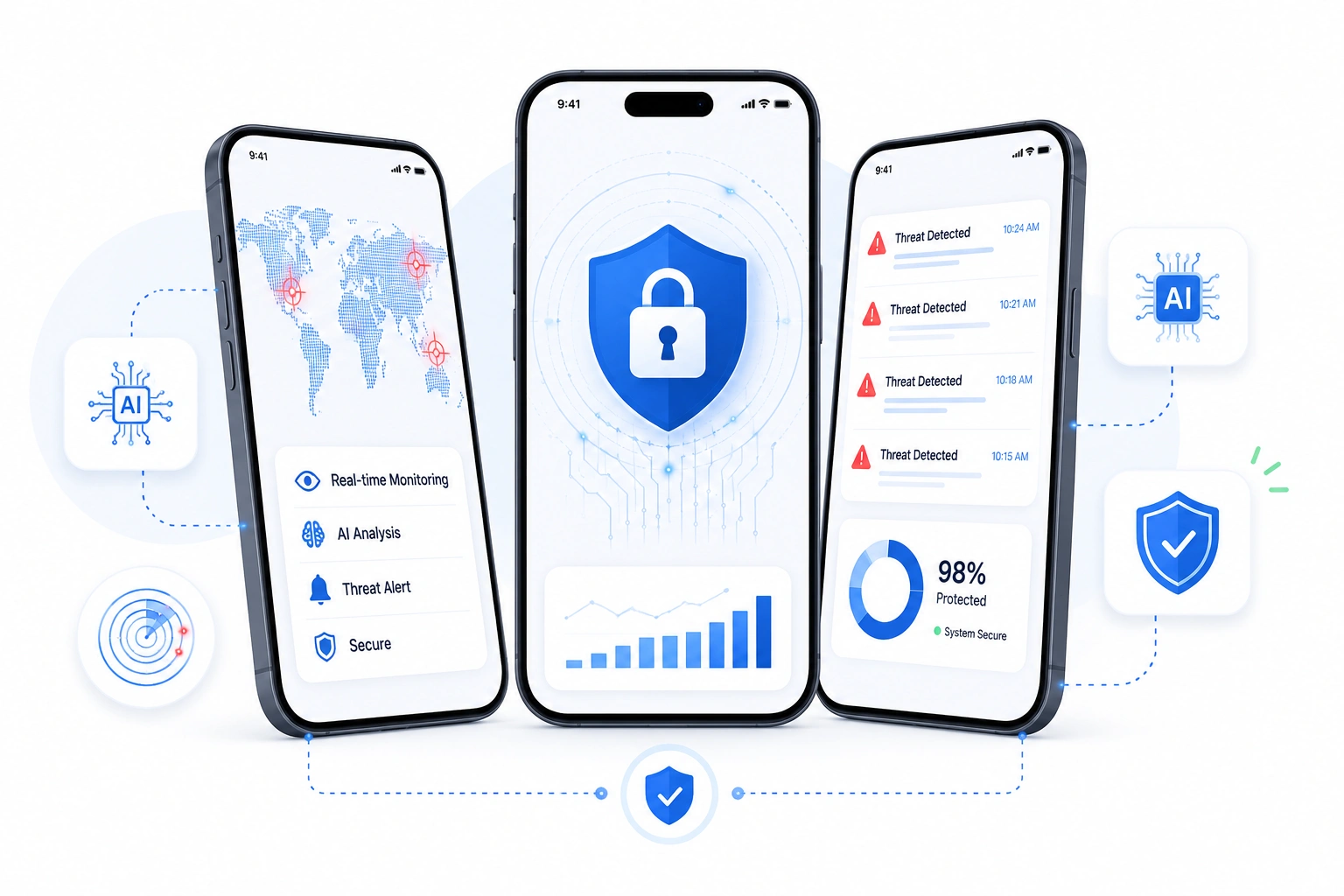
Cyberattacks rarely happen without warning.
Most attackers leave behind suspicious login attempts, unusual user behavior, abnormal network activity, or unauthorized data requests before launching a full-scale attack.
Traditional monitoring systems often detect threats too late. Modern insurance cybersecurity platforms leverage Artificial Intelligence and Machine Learning to identify anomalies in real time.
AI-powered monitoring can detect:
- Unusual login locations
- Impossible travel scenarios
- Suspicious payment activities
- Multiple failed login attempts
- Data extraction anomalies
- Privilege escalation attempts
- Malware indicators
Instead of waiting for a breach, intelligent monitoring enables organizations to respond before attackers cause significant damage. This proactive approach not only protects customer data but also minimizes business disruption and incident response costs.
6. Adopt A Zero Trust Security Architecture
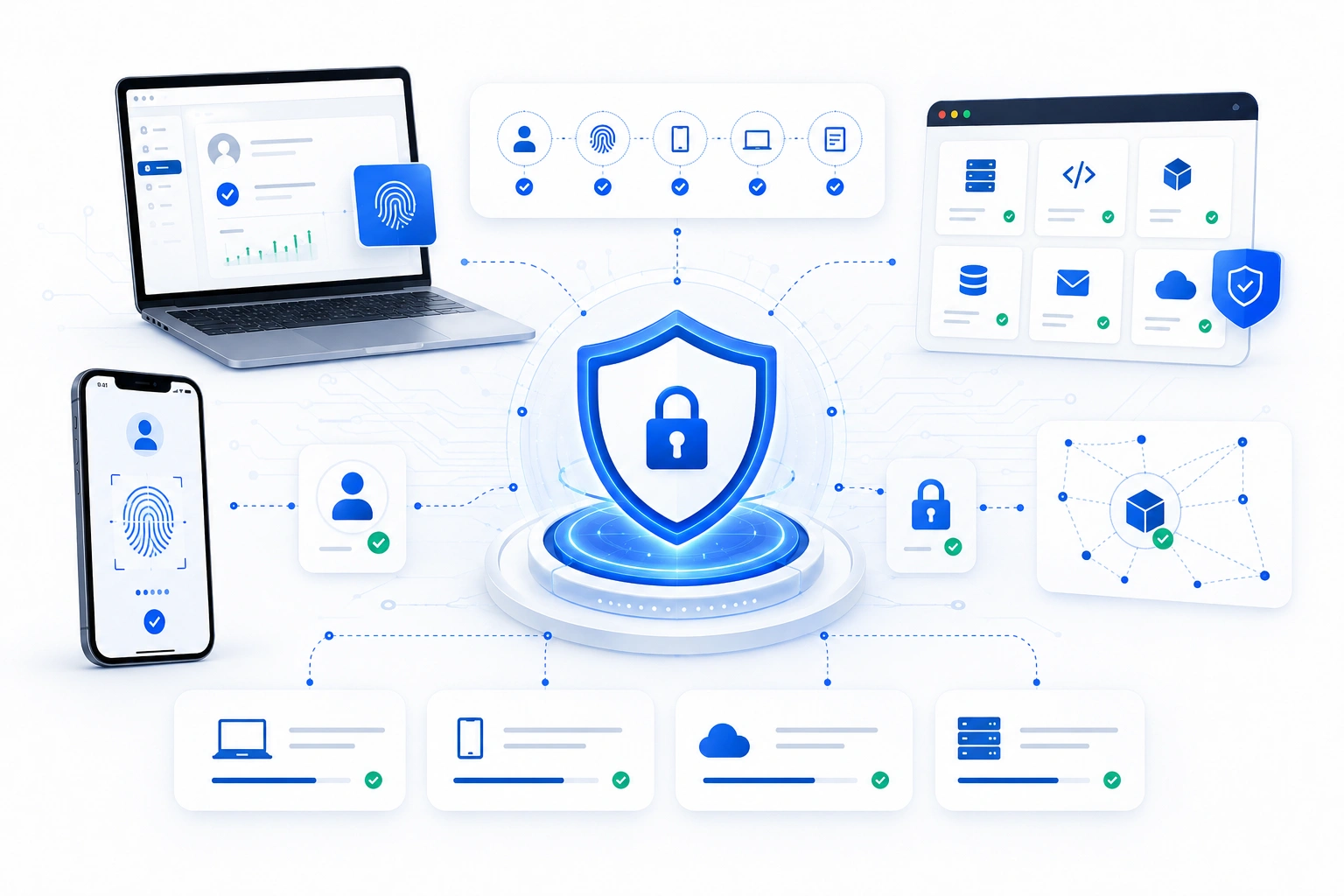
The traditional approach to cybersecurity assumed that users inside the network could be trusted. However, with remote work, cloud infrastructure, and third-party integrations becoming the norm, this assumption no longer holds.
A Zero Trust Architecture follows one simple principle: “Never trust, always verify.”
Every user, device, and application must be authenticated and authorized before gaining access to any system or data.
Key components of Zero Trust include:
- Continuous identity verification
- Least-privilege access
- Device authentication
- Network segmentation
- Real-time monitoring
For a modern insurance distribution platform, Zero Trust minimizes the risk of unauthorized access, insider threats, and lateral movement by attackers. Even if one part of the system is compromised, the threat is contained before it spreads across the network.
7. Cloud Security And Automated Data Backup
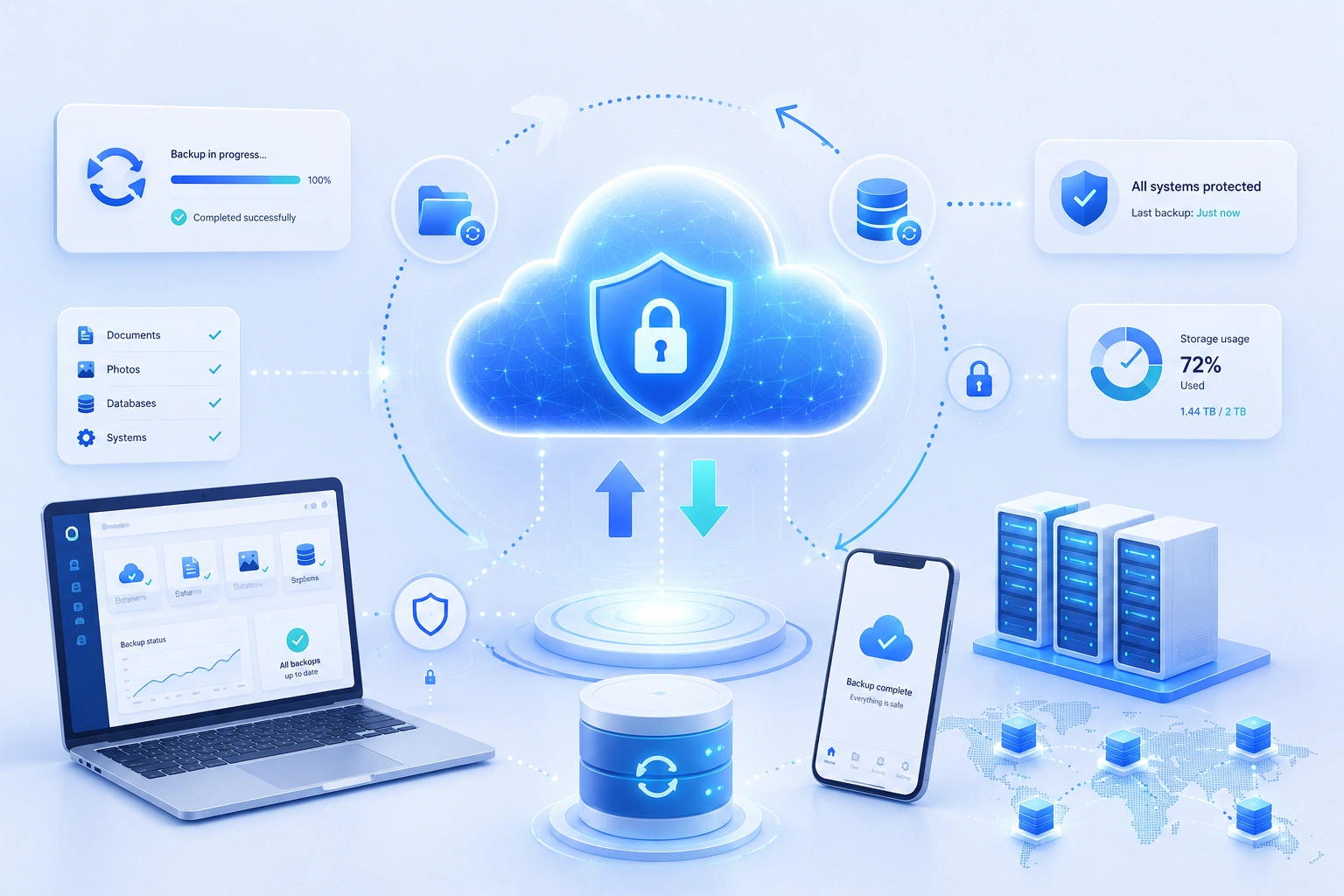
Cloud technology has become the backbone of modern digital insurance operations. It enables insurers to scale quickly, launch products faster, and provide uninterrupted services across multiple channels. However, migrating to the cloud without adequate safeguards can expose critical business data.
A secure cloud-based platform should include:
- Encrypted cloud storage
- Secure configuration management
- Automatic security updates
- Continuous vulnerability assessments
- Regular backup schedules
- Geo-redundant disaster recovery
Automated backups ensure policy records, customer information, and transaction history remain available even after unexpected events such as ransomware attacks, hardware failures, or accidental deletions. Choosing cloud-native insurance technology solutions with built-in security controls significantly improves resilience while reducing operational complexity.
8. Intelligent Fraud Detection And Behavioral Analytics
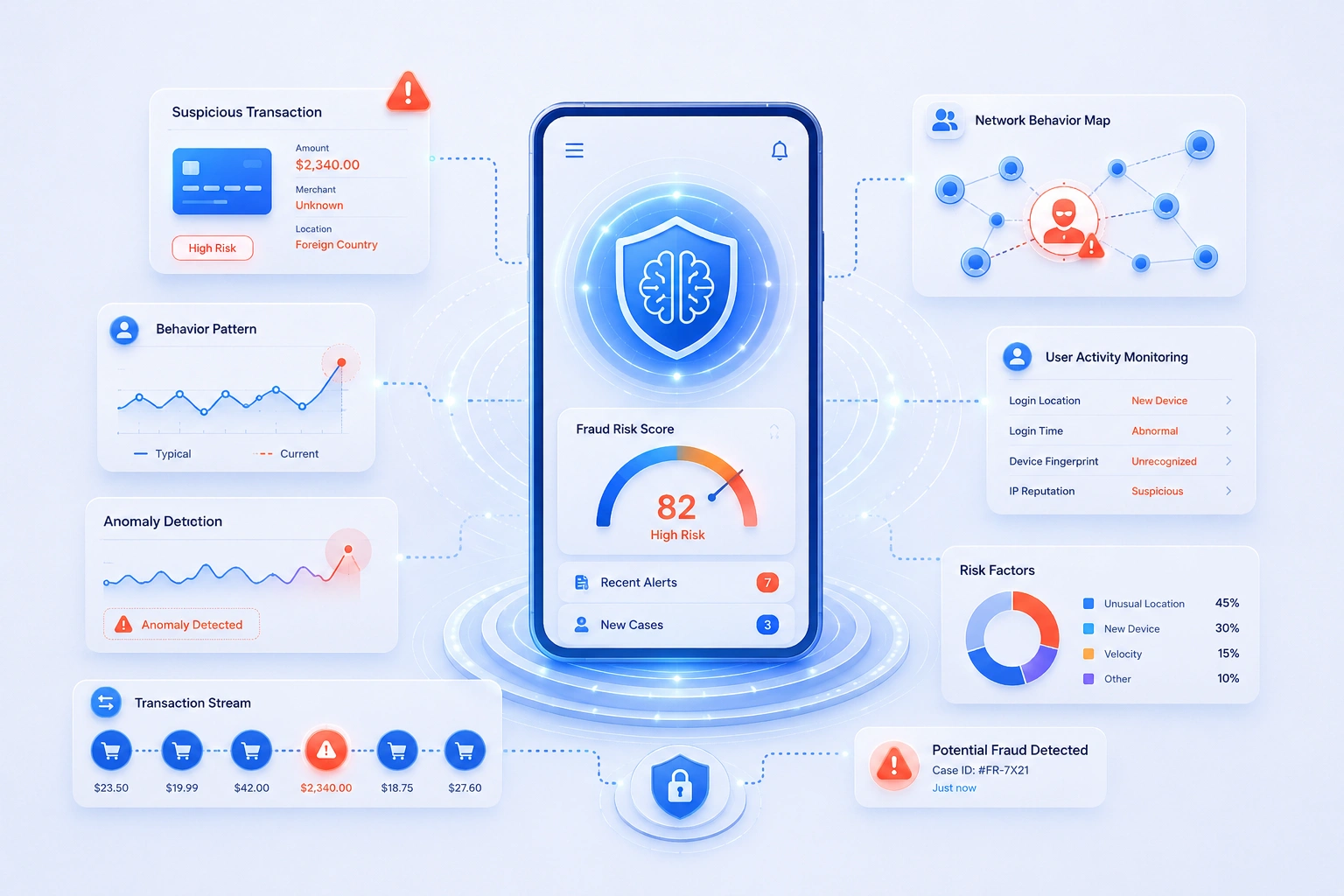
Insurance fraud has evolved beyond fake claims. Fraudsters now exploit stolen identities, compromised accounts, and automated bots to manipulate digital platforms.
Traditional rule-based systems often struggle to detect sophisticated attacks.
Modern digital insurance solutions leverage Artificial Intelligence to analyze user behavior and identify suspicious activities in real time.
Behavioral analytics can identify:
- Unusual login patterns
- Device changes during transactions
- Suspicious claim submissions
- High-risk payment activities
- Multiple policies created from identical identities
- Automated bot behavior
For example, if a customer usually logs in from Mumbai but suddenly attempts multiple transactions from different countries within minutes, the platform can trigger additional verification before processing the request. This proactive approach minimizes fraud while ensuring genuine customers enjoy a seamless experience.
9. Regulatory Compliance And Data Privacy
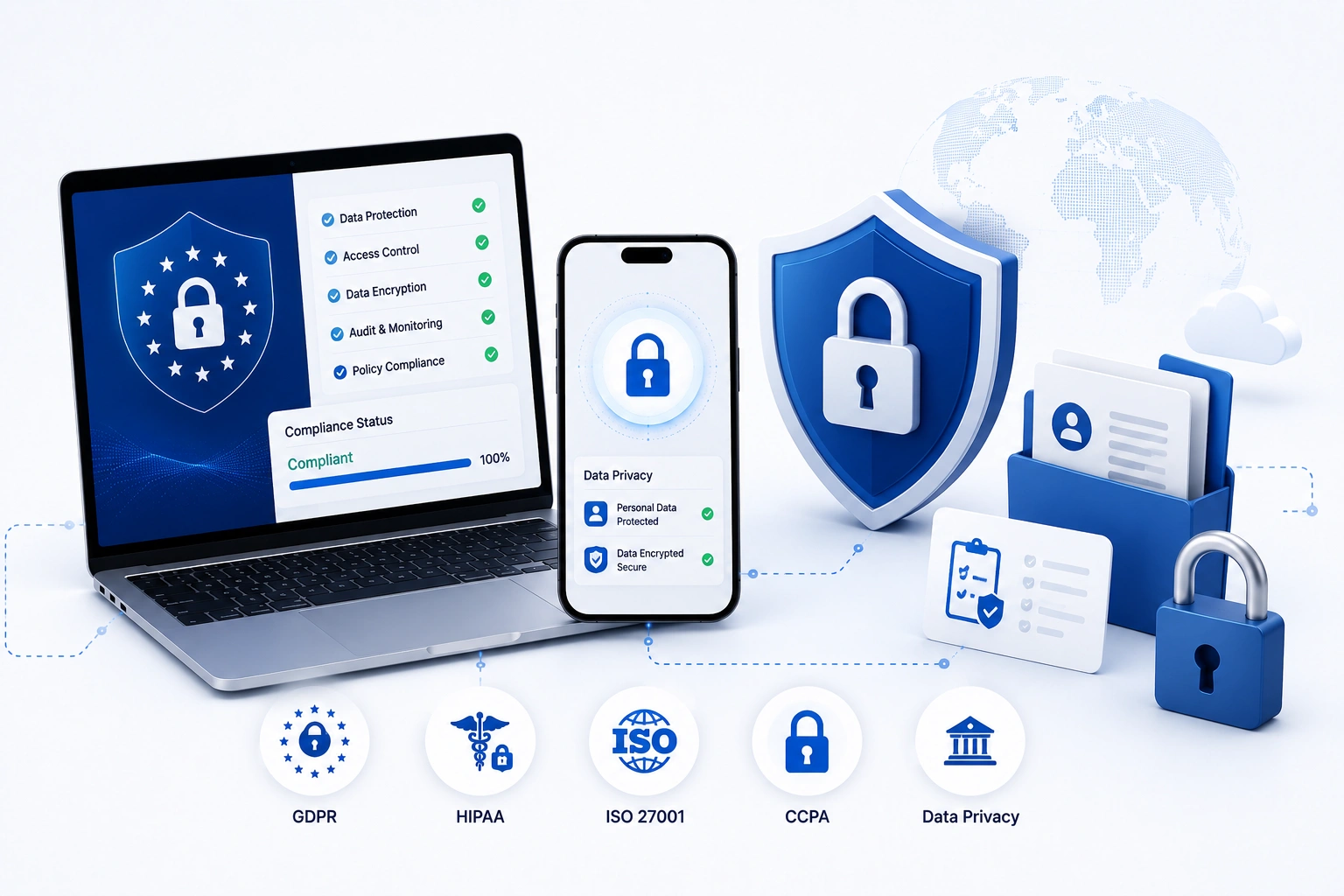
Insurance companies operate in one of the most highly regulated industries. Failure to comply with data protection requirements can result in hefty penalties, legal disputes, and reputational damage. A secure digital insurance distribution platform should simplify compliance rather than treating it as an afterthought.
Essential compliance capabilities include:
- Audit trails for every transaction
- Consent management
- Secure document storage
- Data retention policies
- Privacy controls
- Automated compliance reporting
Organizations serving global markets need to align with regulations such as GDPR and operate in India. They must prepare for evolving digital privacy under the Digital Personal Data Protection framework. Compliance is not merely about avoiding fines; it demonstrates accountability and builds confidence among customers, partners, and regulators.
10. Business Continuity And Disaster Recovery
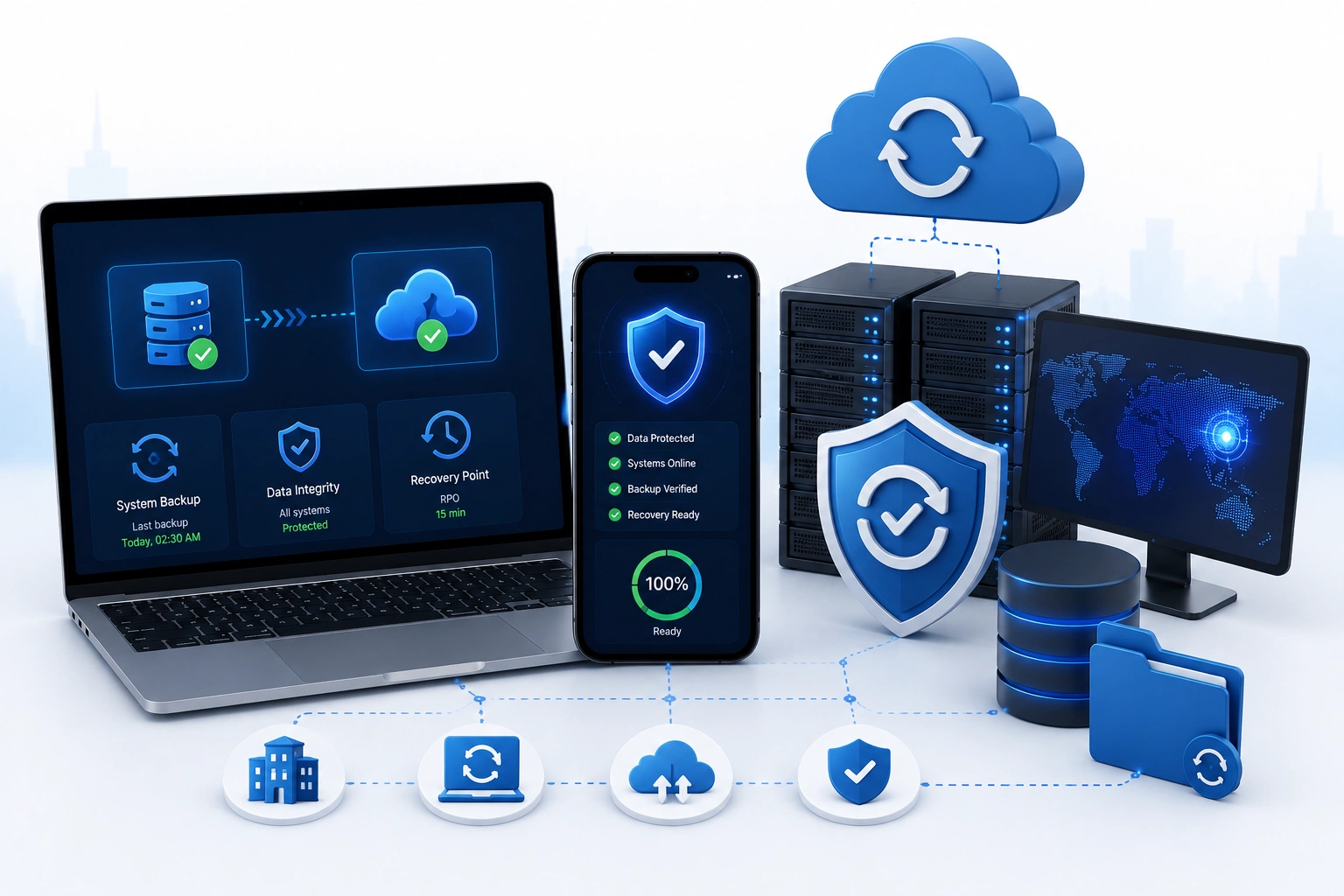
Cyber incidents are no longer a question of if but when. Even organizations with robust security measures must prepare for unexpected disruptions.
A comprehensive disaster recovery strategy ensures insurance services remain available during:
- Cyberattacks
- System failures
- Cloud outages
- Natural disasters
- Human errors
Key capabilities include:
- Real-time data replication
- Automated failover systems
- Recovery testing
- Business continuity planning
- High-availability infrastructure
For insurers, downtime can delay policy issuance, interrupt claims processing, and impact customer service. A resilient insurance distribution platform minimizes these risks by ensuring operations continue with minimal disruption.
Best Practices Before Choosing A Digital Insurance Distribution Platform
While security features are essential, organizations should also evaluate the platform provider’s long-term security strategy. Before investing in any insurance technology solutions, ask these questions:
- Does the platform follow a security-by-design approach? Security should be embedded into every stage of development rather than added after deployment.
- Can the platform scale securely? As your customer base, partners, and products grow, the platform should maintain consistent security without affecting performance.
- Are security updates released regularly? Cyber threats evolve constantly. Frequent updates and vulnerability patches help protect against emerging risks.
- Does the provider support secure third-party integrations? Most insurers rely on payment gateways, CRM platforms, KYC providers, and analytics tools. These integrations should be secured using modern API protection mechanisms.
- Is security monitoring available 24/7? Continuous monitoring enables organizations to detect and respond to threats before they escalate into major incidents.
Why Is Security Becoming A Competitive Advantage?
Customers today are more aware of data privacy than ever before. They expect insurers to protect their personal information with the same level of care as financial institutions.
A secure platform doesn’t just reduce cyber risks; it also strengthens customer confidence, supports regulatory compliance, and enhances brand reputation.
Businesses that prioritize security-first insurance practices are better positioned to build long-term customer relationships, streamline digital operations, and adapt to evolving cyber threats.
As insurers continue expanding their digital capabilities, security will increasingly become a key differentiator rather than just a technical requirement.
Final Thoughts
As insurance providers advance their digital transformation strategies, prioritizing data security becomes imperative within every aspect of innovation. An effective insurance distribution platform not only facilitates online policy transactions but also safeguards sensitive customer information, ensures adherence to regulatory frameworks, and bolsters organizational resilience against increasingly sophisticated cyber threats.
Implementing advanced security measures—such as multi-factor authentication, zero trust architecture, AI-driven fraud detection, and secure cloud frameworks—is essential for establishing a robust technological landscape that fosters sustainable growth in the sector.
By adopting digital insurance solutions like Ensurite, which is designed with a security-centric approach, organizations can confidently enhance their digital offerings. These solutions are engineered to deliver regulatory-compliant, seamless, and secure experiences that meet the expectations of today’s digitally-savvy customers. To explore the full range of capabilities and ensure robust governance, compliance, and preventive measures, we recommend scheduling a complimentary Ensurite demo or contacting us for further information.
Frequently Asked Questions
What are the essential security requirements for modern insurance platforms?
Modern insurance platforms require data encryption, multi-factor authentication, secure APIs, role-based access control, continuous monitoring, regular security updates, compliance measures, and reliable backup and disaster recovery systems.
Why should insurance distributors prioritize cybersecurity and data protection?
Prioritizing cybersecurity helps insurance distributors protect customer information, prevent financial losses, maintain regulatory compliance, preserve brand reputation, and ensure uninterrupted digital services against evolving cyber threats.
How does multi-factor authentication (MFA) improve platform security?
Multi-factor authentication adds an extra verification step beyond passwords, making unauthorized access significantly harder and reducing the risk of account compromise caused by stolen or weak credentials.
What role do secure APIs play in insurance platform security?
Secure APIs enable safe data exchange between applications using authentication, encryption, and access controls, preventing unauthorized access while maintaining the integrity and confidentiality of insurance data.
What role does AI play in cybersecurity for insurance platforms?
AI strengthens cybersecurity by detecting unusual activities, identifying threats in real time, automating incident responses, reducing false alerts, and helping insurance platforms prevent fraud and cyberattacks proactively.